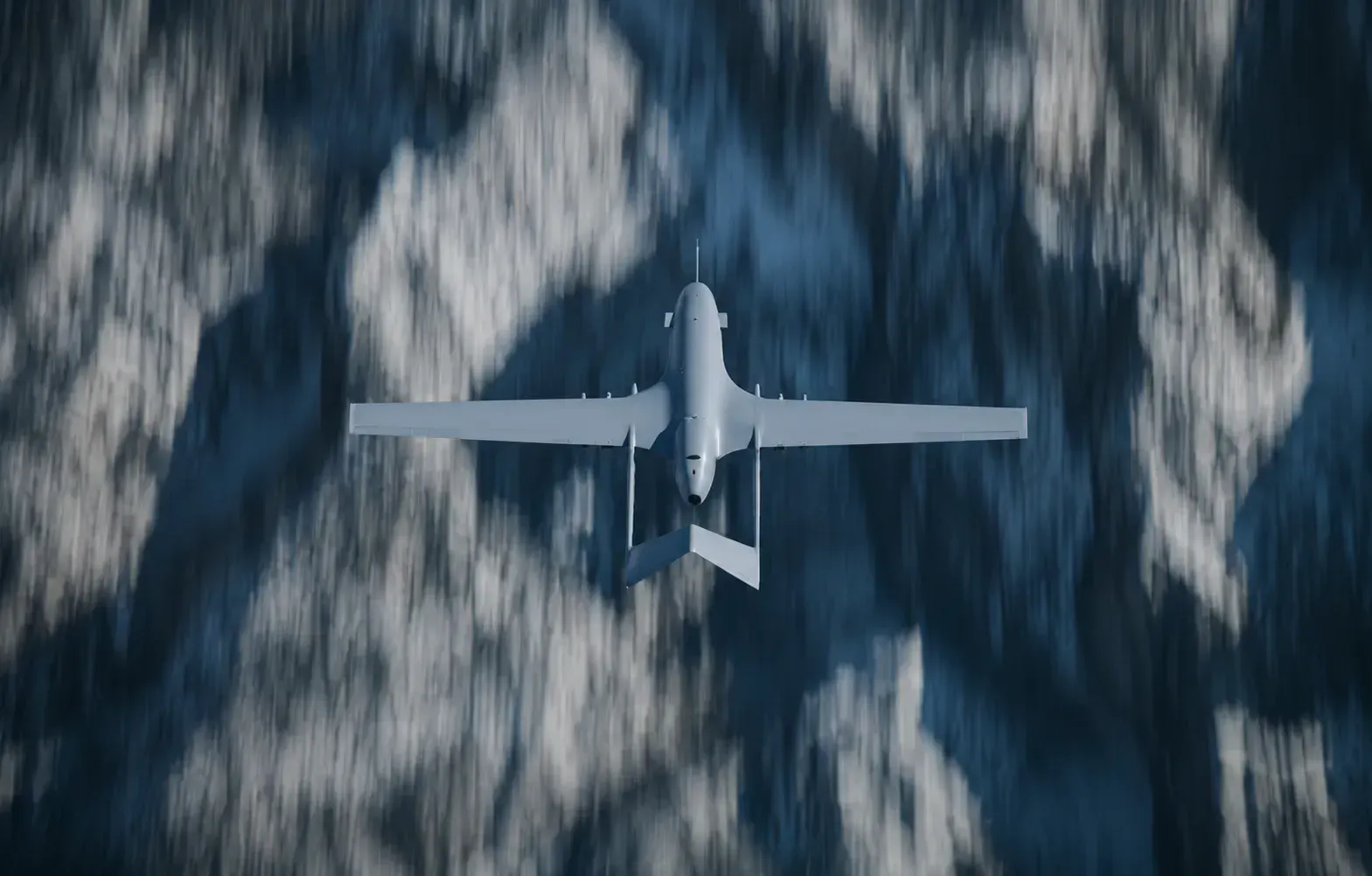
The defense drone market is moving fast. Procurement timelines are compressing, operational use cases are expanding, and the hardware — sensors, seekers, synthetic aperture radar, full-motion video — keeps getting more capable with every program increment.
What isn't keeping pace is the data environment sitting behind most Tier 2 and 3 DIB contractors. And that gap is where programs quietly start to break down.
What Drone Operations Actually Generate
A single medium-altitude ISR sortie can produce multiple terabytes of raw data — telemetry, sensor feeds, imagery, signals intelligence, and metadata that needs to be correlated, stored, and often processed in near-real-time. Autonomous systems compound this problem: instead of one operator managing one asset, you're looking at swarm coordination data, edge compute outputs, and AI/ML inference results flowing simultaneously from dozens of nodes.
Legacy infrastructure — on-prem servers, siloed storage arrays, manual ETL pipelines — was never designed for this. The result isn't just inefficiency. It's analytical latency at exactly the moment when speed-to-insight determines whether a mission succeeds or the window closes.
The Architecture That Fits
The contractors getting this right aren't building bespoke systems from scratch. They're applying cloud-native patterns to a problem the commercial sector has largely already solved, adapted for the compliance requirements of the classified and controlled unclassified environments where this work actually lives.
In practice, that means standing up real-time ingest using AWS Kinesis Data Streams to capture and buffer high-velocity telemetry without dropping events under load. It means tiered storage on S3 — hot storage for active mission data, intelligent tiering for archival — so you're not paying enterprise SAN prices for data you access twice a year. It means running processing workloads on EC2 instances or containerized environments in ECS that scale up for mission windows and scale down when the sortie ends.
For the analytics layer, SageMaker enables teams to run trained models against incoming sensor data without standing up dedicated ML infrastructure that sits idle 80% of the time. When your program needs to demonstrate CMMC Level 2 compliance or meet NIST 800-171 controls, AWS GovCloud provides the FedRAMP High authorization boundary that your ATO documentation can actually reference.
Modernization Doesn't Require a Full Rebuild
One of the most common misconceptions we encounter is that getting to this architecture means a multi-year rip-and-replace. It usually doesn't. A well-scoped modernization engagement starts with the highest-friction point in the current pipeline — often ingest or storage — and builds forward from there.
For many Tier 2 and 3 contractors, that looks like a lift-and-shift of existing compute into GovCloud, followed by targeted refactoring of the data pipeline components that are creating the most operational drag. The compliance work — boundary documentation, control mapping, continuous monitoring via AWS Security Hub — runs in parallel, not as a separate phase at the end.
The outcome isn't a flashier system. It's a pipeline that can actually keep pace with what your drone program produces: data that gets processed while it's still actionable, stored in a way that supports future analytics, and secured in a boundary your authorizing official can sign off on.
The Operational Argument
Program managers and engineering leads sometimes frame this as an IT infrastructure conversation. It isn't. A data environment that can't handle the volume your drone program generates isn't an inconvenience — it's an operational constraint. Intelligence that arrives after the decision point isn't intelligence. Sensor data that sits in a queue waiting for processing capacity isn't an asset.
The contractors who will win recompetes and expand drone-adjacent program work over the next five years are the ones building the data infrastructure now, before the mission tempo forces the issue.
We've helped DIB contractors work through exactly this problem — from pipeline architecture to ATO documentation to operational handoff. We'd love to hear how you're approaching it.